A Double Curtain: Chauffeured Planning for London Theatre Saturdays in 2026
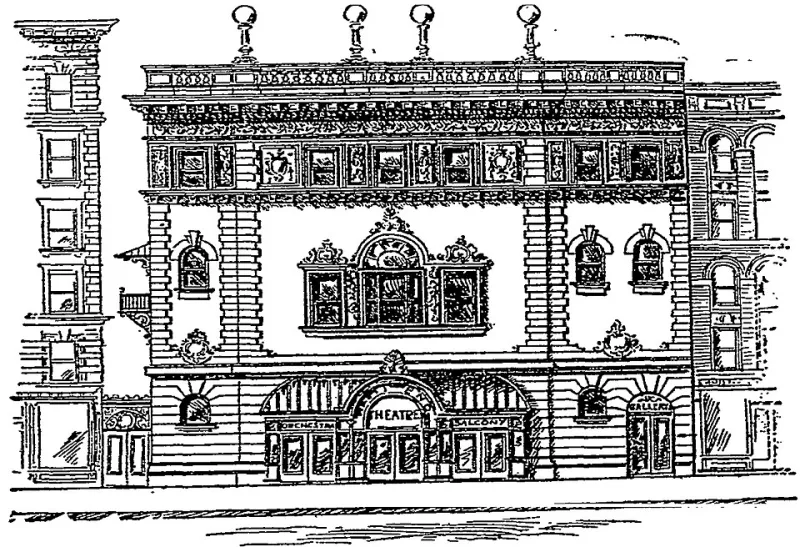
Photo: The New York Times; artist unknown; Neville & Bragge, architect, Public domain, via Wikimedia Commons
London theatre Saturdays have a particular rhythm. A matinee at 2.30pm and an evening performance at 7.30pm appear to leave a generous interval, yet the day is longer than it first seems. There is the journey into the West End, the lunch reservation, the first arrival, the second arrival, the stage door, the supper and, finally, the road home. For a visitor or a resident alike, the pleasure of a two-show day depends less on the performances themselves than on the space between them. A chauffeur-driven plan does not seek to make the day hurried. It seeks to remove the small frictions that accumulate when public transport, parking and timed reservations compete for attention.
The Shape of the Day
A sensible two-performance Saturday begins well before the first curtain. A lunch reservation at noon or shortly afterwards allows time for a relaxed meal without watching the clock. The first theatre arrival should be planned for around 1.45pm, giving fifteen minutes for cloakroom queues, a programme purchase and the settling of coats. The second arrival, for a 7.30pm performance, should be planned for 6.45pm. Between those points lies the part of the day that most often goes wrong: the transfer from one theatre to another, the disposal of bags and coats, and the question of what to do when the first performance ends and the second has not yet begun.
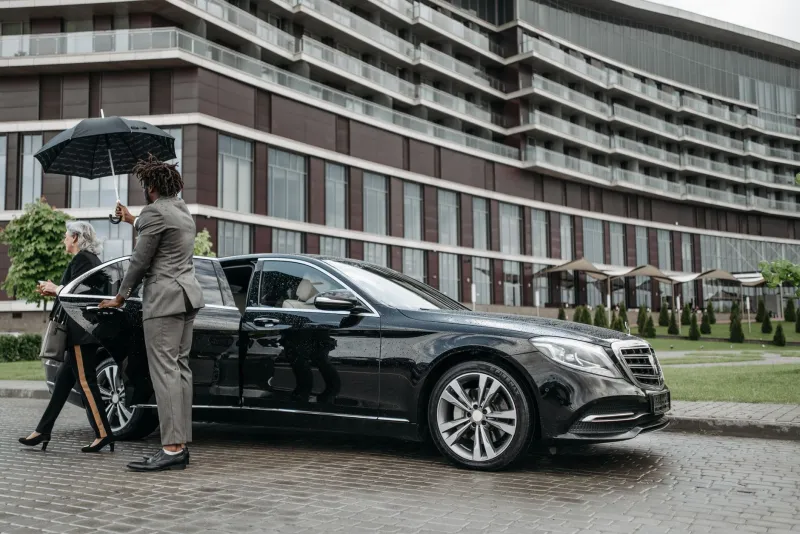
For Avanti Limousines, the task is not simply to move a client from one address to another. It is to hold the day together. A chauffeur can keep the vehicle close to the first theatre, reposition during the matinee and be waiting at the agreed point when the audience emerges. That continuity is especially valuable in the West End, where streets are busy, pavements are crowded and a short walk in evening dress can feel considerably longer than the map suggests.
Lunch Without Clock-Watching
The lunch reservation is the first place where a two-show day can lose its composure. A restaurant too far from the first theatre creates unnecessary pressure; a restaurant too close may be pleasant but difficult to leave at the appointed hour. A practical approach is to choose somewhere within a short drive of the matinee venue and to book for noon. A set menu, where available, can be helpful, though it should not feel like a compromise. The aim is a meal that finishes comfortably by 1.30pm, leaving time for the car to return to the theatre entrance.
A chauffeur can drop guests at the restaurant door and remain nearby, avoiding the search for parking that so often consumes the final twenty minutes of lunch. If the restaurant runs late, the driver can be repositioned to the theatre rather than waiting at the original address. This is a small detail, but it preserves the calm that a theatre day should protect.
The Transfer Between Theatres
The theatre-to-theatre transfer is the point at which a chauffeur earns its keep. In central London, a journey of half a mile can take five minutes or twenty depending on traffic, roadworks and the movement of pedestrians. A driver familiar with the district will plan the drop-off street rather than simply the postcode. The vehicle can wait in a bay or a side street, and the guests can move from one auditorium to the next without negotiating crowds or carrying outerwear through the streets.
This transfer also provides a useful pause. It is a moment to discuss the first performance, to check the time of the second, and to decide whether a stage-door visit is practical. The car becomes a small private room between two public events, which is precisely what a long theatre day requires.
Coats, Bags and the Interval
West End theatres generally offer cloakroom facilities, but queues at the interval and after the performance can be considerable. A chauffeur-driven day allows for a lighter approach: bulky coats, shopping bags and anything not needed during the performance can remain in the vehicle. Guests should keep tickets, phones and a small bag with them, but the burden of extra layers can be left behind. This is particularly useful in winter, when a warm coat is essential outdoors but unwelcome in a crowded auditorium.
It is also worth considering the interval. A pre-ordered drink or a reserved table can reduce time spent queuing, though many theatres manage this well. The main point is to avoid treating the interval as a logistical exercise. A calm interval is one in which the guest is not retrieving a coat from a cloakroom queue or searching for a bag that has been checked at the wrong desk.
Keeping the Plan Open
Theatre days should retain a measure of flexibility. Understudy announcements, a longer than expected first performance or a spontaneous wish to visit the stage door can all alter the shape of the afternoon. A good chauffeur plan includes slack. The driver should be briefed on the approximate finishing time of the matinee but should not be held to a rigid minute. If a stage-door stop is desired, the driver can wait at a discreet distance and reposition when the guests are ready.
The same applies to supper. A post-show reservation at 10.30pm is sensible for a 7.30pm performance, but it should not be so tight that a curtain call or a stage-door conversation becomes stressful. A restaurant within a short drive of the final theatre is preferable to one that requires a cross-town journey at eleven o'clock at night.
Supper and the Road Home
After the second performance, the West End empties into the streets with considerable energy. Tube stations become crowded, taxi ranks lengthen and the pavements fill. For guests who have been seated for much of the day, the prospect of negotiating that crowd can diminish the evening. A chauffeur waiting at a pre-arranged point changes the final chapter of the day. The car can be warm, quiet and stocked with water; the route home can be planned without recourse to a phone.
A late supper is a pleasant way to close the day, but it should be booked with the same care as lunch. The restaurant should be close enough to the theatre to avoid a long drive, and the chauffeur should know the expected finish time. If supper is not wanted, the drive home becomes the final luxury: a calm, private journey after six hours of theatre.
Practical Notes for 2026
A two-show Saturday is best arranged as a full-day chauffeur booking rather than two separate transfers. The driver can then remain with the day, adapting to changes without additional arrangements. Guests should confirm theatre timings in advance, share a mobile contact and indicate whether stage-door visits or supper reservations are likely. Vehicle size should reflect the number of guests and any coats or bags that will be carried during the day.
Avanti Limousines plans such days with an emphasis on continuity rather than spectacle. The objective is not to make a theatre Saturday feel busier than it is, but to allow the performances to take centre stage. The lunch, the transfers, the coats and the late-night ride home are supporting arrangements. When they are handled well, they are scarcely noticed. The day simply unfolds, from first curtain to last, with the road home left in capable hands.