A Short Stay, Well Planned: Chauffeured Micro-Itineraries for London, Manchester and Edinburgh in 2026
The arithmetic of a brief window
A two-hour city window sounds generous until it is broken down. Disembarkation, a platform or terminal walk, the greeting, the loading of luggage and a sensible buffer before the next departure will consume a meaningful portion of it. The remaining time is rarely two clear hours in the city centre. It is more likely seventy-five to ninety minutes of usable time, and that distinction matters.
The sensible approach is not to attempt a major attraction. A short layover is better served by a compact, chauffeur-led loop with one purposeful stop: a view, a quiet room, a good coffee or a landmark seen from the kerb. The objective is not to tick off a city but to leave it with a favourable impression and return to the station or airport unhurried.
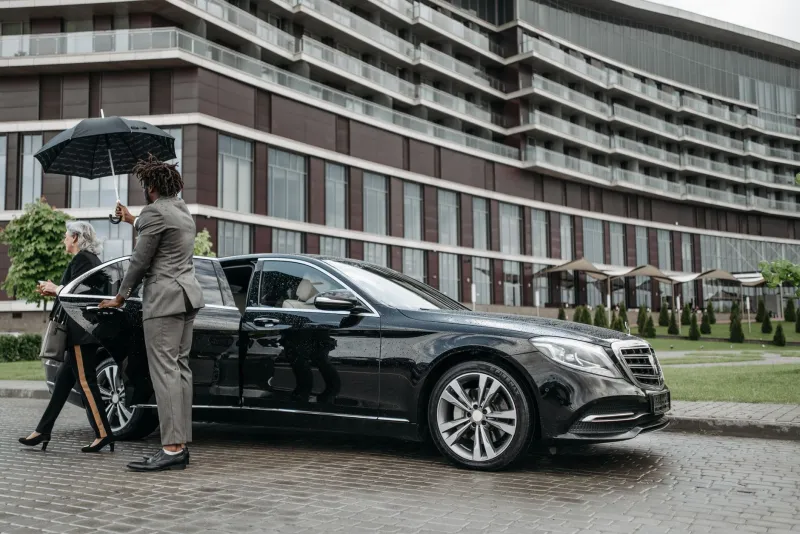
For 2026, the practical variables remain familiar. London traffic is dense and unpredictable; Manchester’s approach roads and event days can add unwanted minutes; Edinburgh’s historic centre presents its own access restrictions and seasonal pressures. A professional chauffeur plans around these realities rather than hoping to beat them. The car is not simply transport; it is a moving base with secure luggage space, climate control and a driver who knows when to abandon a plan.
Luggage, timing and the case for the car
The single greatest advantage of a chauffeured short stay is the treatment of luggage. Airport lockers and station left-luggage desks consume time and impose queues. A chauffeur meeting a client at arrivals or on the platform can take bags directly to the vehicle, where they remain secure while the city is explored. This removes a significant logistical burden and allows the short window to be spent on the city rather than on administration.
Timing should be built backwards from the next departure. A sensible buffer for a domestic train is twenty minutes at the platform; for an international flight, considerably more. The chauffeur should be told the exact departure time and terminal or platform in advance. He or she can then work to a hard deadline rather than an approximate one. If traffic begins to bite, the itinerary can be shortened mid-journey without stress. That flexibility is the difference between a calm interloper and a frantic one.
London: a Hyde Park loop from Paddington
Paddington is a useful starting point for a short London window. From the station, a chauffeur can take the Bayswater Road alongside Kensington Gardens, turn into the park’s inner drives where permitted, and pause at the Serpentine for a short walk to the water’s edge. The view across the lake towards the Diana Memorial Fountain is immediate and undemanding, and the car can wait nearby.
From there, the route can continue along Knightsbridge, past the Victoria and Albert Museum and into Belgravia, returning to Paddington via Park Lane and the Edgware Road. In good conditions this is a ninety-minute loop with a fifteen-minute stop. It offers a genuine sense of London — parkland, museum façades, grand terraces — without the risk of a West End traffic queue. For a longer pause, a chauffeur can arrange a pre-booked table at a quiet hotel lounge in Mayfair or Marylebone, though the stop should not exceed thirty minutes.
Clients arriving at King’s Cross or St Pancras have a different option: a loop through Regent’s Park, along the Outer Circle, and back via Baker Street and Marylebone. This is a gentler introduction, with less congestion and a clearer run than the West End. The chauffeur can drop at a Marylebone coffee house for a brief refreshment and return within the window.
Manchester: canals, libraries and a calm return
Manchester is compact enough for a short window to feel worthwhile. From Piccadilly station, a chauffeur can head towards Castlefield, where the canal basin and the remains of the Roman fort offer a quiet counterpoint to the city’s commercial bustle. The drive itself passes the Bridgewater Hall and the edges of the Gay Village, giving a quick impression of the city’s layered character.
A sensible stop is the John Rylands Library on Deansgate, a neo-Gothic interior that is both spectacular and quick to visit. Fifteen minutes inside the reading room is sufficient for a photograph and a sense of occasion. The chauffeur can wait on Deansgate or a side street, ready to move as soon as the client returns. From there, the return to Piccadilly is short, though match days at Old Trafford or the Etihad Stadium can alter the calculation. On such days, the chauffeur should route via the ring road and avoid the immediate stadium approaches.
For a more relaxed stop, the Northern Quarter offers independent coffee shops and a less formal atmosphere. The chauffeur can drop on Thomas Street and wait nearby, but the narrow streets and delivery traffic require a driver who knows the area. A pre-arranged pick-up point, rather than a hopeful kerbside hail, is essential.
Edinburgh: a view from the Old Town
Edinburgh rewards a short window more than most cities, provided the route is chosen with care. From Waverley station, the chauffeur can climb towards the Old Town via Market Street and the Cowgate, dropping the client at the Grassmarket. The view up to Edinburgh Castle is immediate, and the walk along Victoria Street is short and atmospheric. The chauffeur can wait on the Grassmarket or a nearby side street, though festival time and weekend crowds require a flexible plan.
Alternatively, a drive to Dean Village offers a quieter, almost unexpected side of the city. The chauffeur can drop at the Dean Bridge and the client can walk down to the Water of Leith for a brief, verdant pause. The return to Waverley is straightforward outside peak times. In August, when the Edinburgh Festival Fringe fills the centre, the chauffeur should avoid the Royal Mile entirely and use the western approach. A short window during festival time is best spent on a single, well-chosen stop rather than a grand tour.
When to abandon the plan
The mark of a good chauffeur is not adherence to an itinerary but judgement about when to abandon it. If a train is delayed, a flight is advanced or traffic closes a route, the plan should contract to a simple loop with no stop. The client returns to the terminal calm and on time; the city remains a pleasant impression rather than a source of anxiety.
For 2026, the best short stays will be those planned with modest ambitions and generous buffers. A two-hour window is not the time to see a city. It is the time to accept an invitation to return. A chauffeur-driven micro-itinerary, with luggage secured and timing watched, makes that first impression a favourable one.