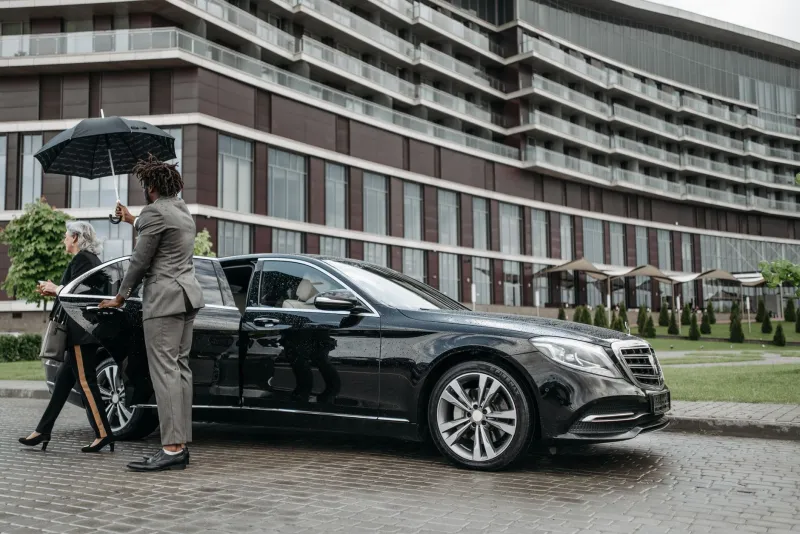
The Collector's Carriage: Chauffeur-Led Art Fair Days in London, Manchester and Edinburgh for 2026
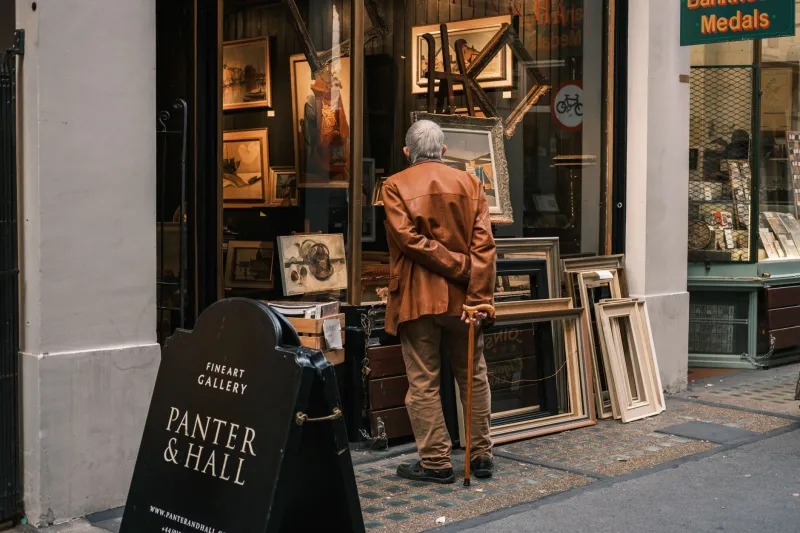
Art fairs reward stamina, but they are rarely improved by improvisation. A morning preview in London, an afternoon appointment across the city and an evening return with a small, carefully wrapped purchase can turn a pleasurable day into a logistical exercise. For collectors and cultured travellers, the answer is not a tighter schedule but a calmer one. A dedicated chauffeur provides the fixed point around which the fair day can be arranged, allowing the visitor to concentrate on looking, listening and deciding rather than on parking, congestion and the next available taxi.
Setting the Day's Perimeter
In London, the art calendar tends to gather around Regent's Park, Mayfair, St James's and the museum quarter, with satellite exhibitions pulling visitors towards Marylebone, Fitzrovia and the South Bank. Manchester's fair activity is more compact but no less concentrated, drawing collectors between the principal exhibition halls and the commercial galleries of the Northern Quarter and Castlefield. Edinburgh offers a different rhythm altogether: a fair may sit within easy reach of the New Town, yet the city's galleries and private views can lead towards Stockbridge, the Old Town and beyond. A chauffeur-led day begins by accepting these perimeters rather than fighting them.
For 2026, the practical advice is to send the driver a full itinerary at least forty-eight hours in advance. Include preview timings, any private-view invitations, the addresses of satellite galleries and the intended point of return. Where a fair operates a dedicated transport desk, it is worth establishing contact before arrival. The driver can then be directed to the correct vehicle gate rather than a general entrance, which matters greatly when the pavements are busy and the first preview is already underway.
Previews, Private Views and the First Hour
The opening hour of a fair is often the most valuable and the least forgiving. Collectors wish to see particular stands before queues form, while couples may prefer a more measured circuit of the principal aisles. A chauffeur can support either approach by arranging an early drop-off, remaining nearby and agreeing a precise collection point. The vehicle becomes a place to leave coats, catalogues and excess baggage, and a quiet room in which to reconsider a decision before the next appointment.
This is particularly useful when a preview is followed by a gallery visit. Rather than allowing the day to become a series of separate journeys, the driver can hold the route together. A short transfer from a fair entrance to a Mayfair gallery, or from a Manchester fair hall to a private viewing in the city centre, preserves the energy that would otherwise be spent on navigation. For small groups, the advantage is greater still: one vehicle, one agreed timetable and no debate about who is travelling separately.
A Route Between Venues
Multi-venue days require a realistic view of distance. London rewards a driver who understands the difference between a short map distance and a slow cross-city journey, especially when the West End is busy or a major event is closing roads. Manchester's centre is more walkable in parts, but a chauffeured transfer remains valuable between the fair and outlying galleries, particularly in poor weather. Edinburgh's topography and historic street pattern make a fixed driver especially useful, as collection points can be adjusted to avoid the steepest and most congested approaches.
The most effective itineraries leave what might be called a deliberate pause. A gap of thirty to forty-five minutes between venues allows for a late-running preview, a conversation with a gallerist or a change of plan. The driver can wait without the meter of anxiety that accompanies a booked taxi. This is not idleness; it is the margin that makes a formal day feel unhurried. For clients of Avanti Limousines, the aim is not to fill every minute but to ensure that each movement between venues is smooth, discreet and properly timed.
The Fragile Purchase
Art fair purchases bring their own practicalities. A small work on paper, a ceramics piece or a boxed edition can usually travel safely in a chauffeur-driven saloon or estate, provided it is properly wrapped and secured. The driver should be told in advance if a purchase is expected, so that the boot is cleared and suitable protective material is available. Receipts, condition reports and provenance documents should travel with the passenger rather than in the luggage compartment.
Larger or particularly fragile works require a different response. A chauffeur service is not a substitute for a specialist art courier, and it is sensible to establish at the point of purchase whether the gallery recommends professional crating or delivery. The chauffeur can assist by collecting small items from a fair's designated collection point, holding them securely while the passenger continues to view, and ensuring that the vehicle is never left unattended with visible purchases inside. For overnight stays, the driver can advise on secure parking and assist with the transfer of items to a hotel or residence.
The Return Leg
A well-planned return is the mark of a civilised art day. After hours of standing, talking and looking, the last thing required is a search for a taxi rank or a crowded station concourse. The driver should be given a clear finishing time, but also the flexibility to adjust if a final stand or conversation runs late. In London, this may mean a collection from a side street away from the principal fair traffic. In Manchester and Edinburgh, it may mean a meeting point close to the venue but clear of pedestrian flows.
Once underway, the rear cabin serves a useful purpose. Catalogues can be reviewed, notes made and decisions consolidated. If the day has produced a purchase, the driver can confirm the route home and any necessary stop at a secure address. The atmosphere should be calm rather than hurried, with the passenger free to sit back while the city recedes.
A Final Consideration
Art fairs are, at their best, an invitation to look closely and think clearly. Transport should protect that invitation rather than dilute it. A chauffeur-driven day in London, Manchester or Edinburgh for 2026 need not be elaborate, but it should be deliberate: one itinerary, one driver, one vehicle and a realistic allowance for the unexpected. Planned in that spirit, the day moves from canvas to curb with a composure that suits both the art and the collector.