Between the Gatehouse and the Next Appointment: Chauffeured Boarding School Visits in 2026
The Appointment Is Only Part of the Journey
A boarding school visit is rarely a single engagement. The day may begin with a registration desk, move to a tour, pause for a family interview and end with an informal word with a housemaster. Between those moments sit car parks, changing schedules and the quiet arithmetic of keeping children presentable and parents composed. For families travelling from London, the Home Counties or further afield, the road itself can become the least restful part of an otherwise important occasion.
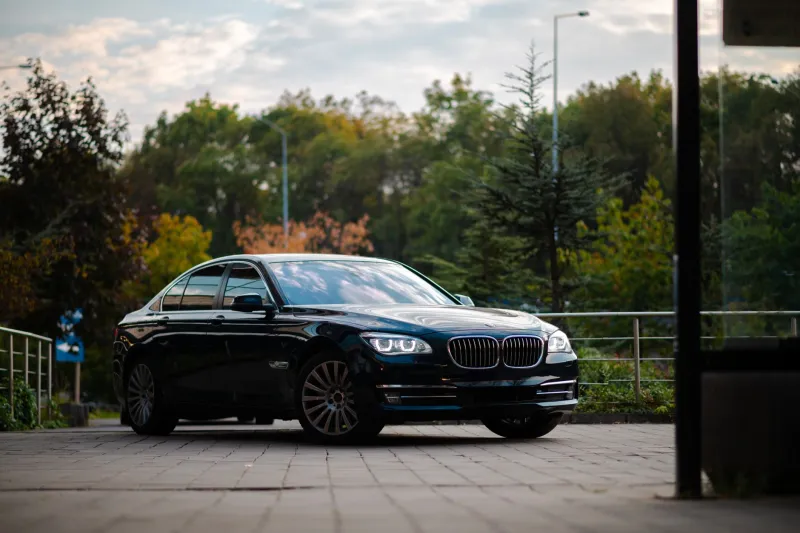
A chauffeur-driven approach does not remove the need to prepare for the visit. It does, however, create a buffer around it. The car becomes a fixed point in a day of moving parts: somewhere to leave coats, recharge a telephone, gather thoughts before the next conversation and travel between sites without the pressure of finding a parking space at each stop.
A Mobile Base Between Appointments
Many school visits involve more than one destination. A family may see a senior school in the morning and a preparatory school after lunch, or combine an open day with a meeting at a nearby boarding house. In Kent, that might mean moving between the Sevenoaks area and Canterbury; in Berkshire, between towns close to the M4; in Wiltshire, between Marlborough and the villages beyond; in the Cotswolds, between Cirencester and Cheltenham.
A chauffeur can wait discreetly while appointments run their course, keeping the vehicle ready and the day anchored. This is particularly valuable when timings slip. School tours often overrun, interviews can begin late and the gap between two visits may be shorter or longer than expected. Rather than adjusting a self-drive itinerary in a busy car park, families can step into a prepared cabin and use the interval to review notes, change footwear or simply sit quietly.
The chauffeur can also assist with the practical rhythm of the day: confirming the next address, allowing time for a short break and ensuring that luggage or presentation folders remain secure between stops. The objective is not to impose a schedule, but to protect the family from the small logistical frictions that can distract from the visit itself.
Luggage, Siblings and the Rear Cabin
Boarding school visits can carry more than expected. There may be overnight bags for a taster weekend, sports kit for an assessment afternoon, smart clothes for an interview and younger siblings who need entertainment between appointments. A spacious chauffeur-driven vehicle offers a practical advantage: luggage can be stored properly, coats can be hung or folded, and the cabin can remain a calm space rather than a temporary cloakroom.
Siblings deserve particular consideration. A day built around one child's potential school can be long for brothers and sisters who are not being interviewed. A chauffeur can help by providing a consistent place to return to between stops, allowing a younger child to rest while parents attend a meeting, or by enabling one parent to remain in the car with a tired child while the other completes a final conversation.
For older children, the rear cabin can serve as a quiet place to collect themselves before an interview. For parents, it can be a place to compare impressions without the distraction of driving. These are modest benefits, but on a day with several formal conversations, modest benefits accumulate.
Routing Kent, Berkshire, Wiltshire and the Cotswolds
Each region has its own driving character. Kent visits may involve the M25 and A21, with traffic patterns that reward an early start. Berkshire journeys often centre on the M4 corridor, where school gates can sit close to busy towns and minor roads. Wiltshire and the Cotswolds bring longer rural stretches, narrow lanes near some school entrances and the need to allow extra time between appointments.
A chauffeur familiar with these routes can plan around likely delays rather than react to them. That may mean leaving a longer gap before a Marlborough appointment, approaching a Cotswolds school from a quieter direction, or arranging a waiting point that does not depend on the school's own car park. In 2026, with many families balancing work calls and school diaries, the ability to use travel time productively is also worth noting. A quiet rear cabin with a reliable connection can turn a cross-county drive into a useful interval, provided the family chooses to use it that way.
Turning a School Run Into a Composed Family Day
A well-planned visit can be more than an administrative task. Families often travel some distance for these occasions, and the day may include a lunch, a brief walk or a stop in a nearby town. A chauffeur can support that broader rhythm, allowing the family to pause after an interview without hunting for parking, or to take a short detour to see the surrounding area before returning home.
This is especially useful when emotions run high. School decisions can be significant, and a visit may prompt unexpected reactions from children or parents. A calm return journey, with no driving to manage and no navigation to negotiate, gives the family room to talk or to sit in comfortable silence.
Practical Notes for 2026
Families planning chauffeured school visits should share the full itinerary in advance, including appointment times, school addresses, expected luggage and any siblings travelling. It is helpful to identify a preferred waiting arrangement and to allow a realistic margin between stops. Formal dress codes should be noted so that the cabin can be kept ready for changes of clothing, and any taster weekend arrangements should be clarified well before departure.
Above all, the day should be allowed a little elasticity. Schools are human institutions, and timings can move. A chauffeur-driven visit works best when it is planned with care but not rigidity: a fixed point of comfort between the gatehouse and the next appointment, and a composed route home at the end of a long family day.